Grounding systems are essential for electrical safety and reliable operation.
However, environmental conditions, moisture, mechanical stress and corrosion can deteriorate connections over time.
For this reason, grounding testing and electrical safety should be considered throughout the operating life of a facility.
Grounding components exposed to moisture and outdoor conditions may corrode.
Common inspection points include:
Corrosion can increase electrical resistance at connection points.
Not always.
A connection may look mechanically secure while oxidation or poor contact exists at the interface.
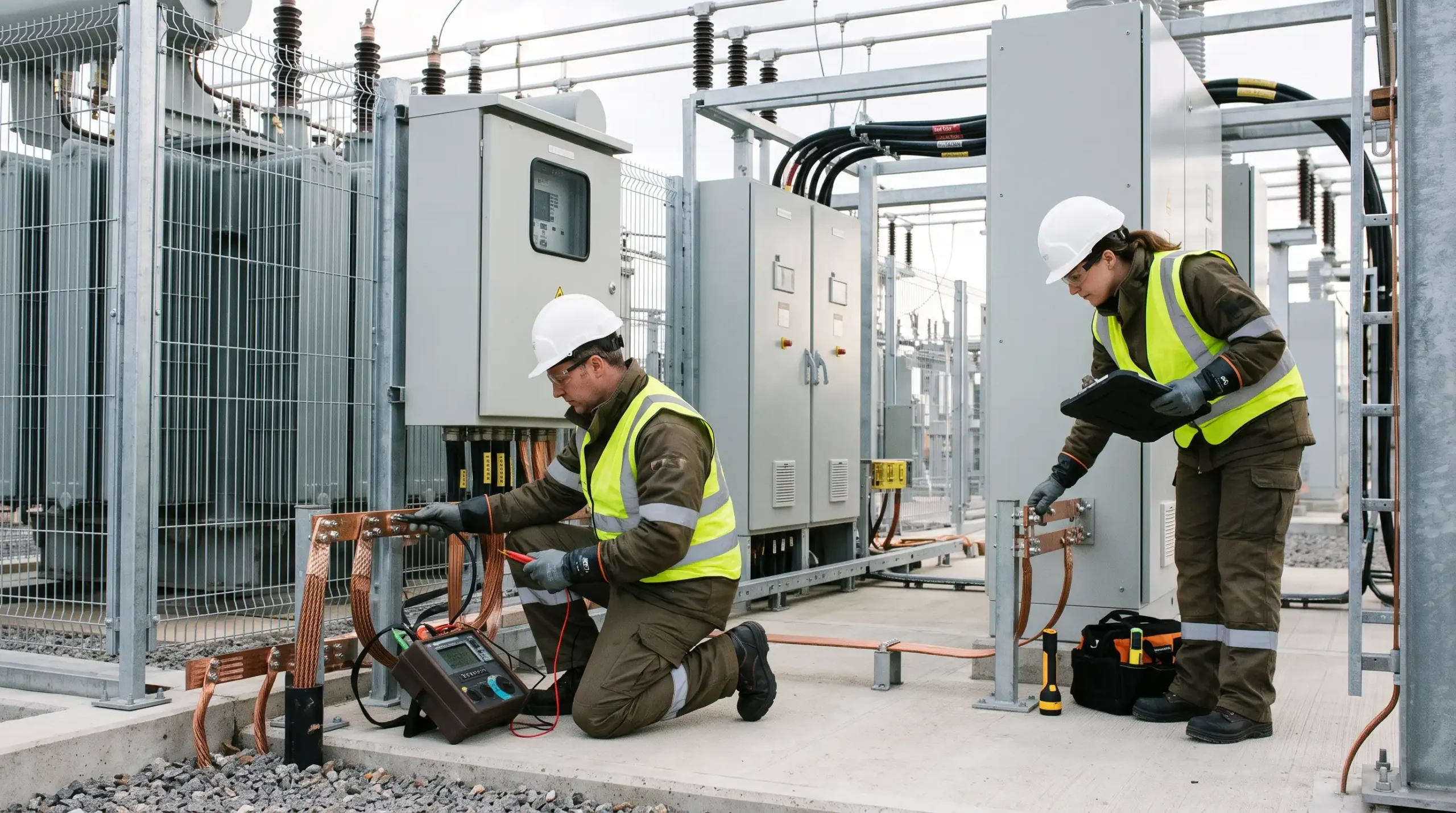
Where appropriate, continuity and grounding measurements should therefore be used together with visual inspection.
Jaka Energy LV Electrical Installation Inspections can include grounding and continuity assessments.
Vibration, maintenance activities and mechanical stress may loosen grounding connections.
Inspections can identify:
Following the installation of new electrical equipment, its connection to the grounding system should also be verified.
Jaka Energy Installation Services can support electrical equipment, cable and grounding installation projects.
Transformers, MV switchgear, LV panels and other metallic equipment form part of the overall grounding system.
A damaged or disconnected conductor can affect the integrity of the system.
Grounding inspections can therefore be coordinated with transformer and switchgear maintenance.
Jaka Energy Testing and Commissioning services can support broader electrical testing of power equipment.
Grounding results can be influenced by site conditions.
Soil moisture, seasonal changes, connection condition and modifications to the electrode system can affect measured values.
Comparing new measurements with previous results can therefore provide useful information.
A significant change should lead to further inspection of the grounding network and its connections.
Outdoor energy facilities are particularly exposed to environmental conditions.
Rain, moisture, temperature changes and field activities can affect grounding conductors and connection points.
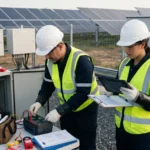
Grounding should therefore be included as part of solar power plant installation and maintenance.
Yes. Corrosion can deteriorate electrical contact and increase resistance at connection points.
The interval depends on facility conditions, but inspections should also be considered after major modifications, installation of new equipment or unusual measurement results.
Not always. Continuity of grounding conductors and equipment connections may also need to be evaluated.
Yes. The new equipment should be verified as correctly connected to the existing grounding and bonding system.
Regular inspection of corrosion, loose connections and continuity problems can support the reliability of industrial grounding systems. For grounding measurements, electrical inspections and power facility maintenance, contact Jaka Energy.